Category Archives: _Essay 📝

Nonfiction writing, usually nontechnical.

Remote onboarding

The biggest challenge when onboarding remotely was getting a feel for the culture. Without this, you have to play it safe and act conservatively (i.e. maximally professionally), however it can be draining to always be so buttoned-up.

The two things that helped me feel more comfortable were:

1. Seeing “micro unprofessionalisms” during zoom calls.

One colleague had a large drawing of “No Face” from Spirited Away on his wall.

Another’s cat jumped onto the desk, and then a baby ran into the room.

Another just had a mess in the background.

All of these show humanity and personality. They let the new team member know that the tone is relaxed and that there’s no need to stress over behaving perfectly “professionally”.

2. Getting hints from coworkers about work norms.

I have a coworker that’s brutally productive. But one day he said, “I’m going to be out for a few hours this afternoon to get my trombone fixed.”

It’s easy to overlook such a remark if you’re been on the team a while. But for a new joiner, even small comments like this provide valuable insight into what is and isn’t acceptable on their new team.

To make your new team member’s remote onboarding experience more comfortable, be intentional about showing humanity — visibly display things that are unique to you (and un-blur your background). Also, remember that your team’s culture exists, must be learned, and can be proactively communicated.

What you should know before taking your gap year (and lessons from mine)

or alternatively:

I took a year off from my tech career and now I won’t shut up about copywriting.


It was probably going to hurt my career. I was fine with that.

The plan was cliché: quit my job, sell my stuff, spend nine months in Southeast Asia. Produce electronic music, read, and maybe code a little. Then find another tech job and pick up where I left off.

Fast forward twelve months. I haven’t set foot on a plane, I created a software product for DJs, and I’ve developed an obsession with copywriting and digital marketing. What happened?

In this post, I’ll share how, despite all expectations, my gap year catapulted my career into a far more exciting trajectory. I’ll debunk two myths society tells us about gap years and share a framework you can use to generate your own life-changing insights, whether you can take a year or a week off. Lastly, I’ll share advice for taking a gap year of your own.

Continue reading

How to pick a market that will make you money

As a founder, picking your market is the most important decision you’ll make. It will impact every aspect of your journey, from product development to sales, and ultimately determine how profitable you’ll be. A good market compensates for poor execution on your part, while even the best execution will struggle with a bad one.

So what goes into a good market?

The key attributes are:

Continue reading

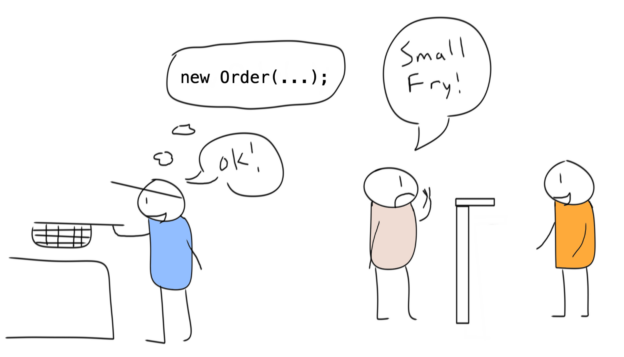
Taking a gap year and working at a fast food restaurant

Most people thought I was crazy for doing this, but I spent the last few months of my gap year working as a short order cook at a family-owned fast-food restaurant. Here’s a short reflection on 2 things I learned from the experience as it pertains to my gap year. If you’re a programmer you’d probably be more interested in this post instead. Of course, I learned much more than this, but the rest is basic food service industry lessons that would be cringy to write about, so I’ll keep it to myself.

Continue reading

3 Key Habits I Used to Learn Chinese

After failing three times, on my third try learning Chinese I actually became conversational. Here’s what I did, which is generally applicable to any language:

  1. I used Duolingo for 30 minutes every day for over a year.
  2. I went to Chinese language exchanges twice a month, for a year and a half.
  3. I used Hellotalk to find a great language partner to chat and do video calls with. I also used it to crowd source corrections for my bad Chinese.

That’s it! The key is consistent effort over a long time (2 years), mixing solo practice and real conversation.

Other tips:

Continue reading